Support for Disabled Artists Curated to Perform at Music Festivals.
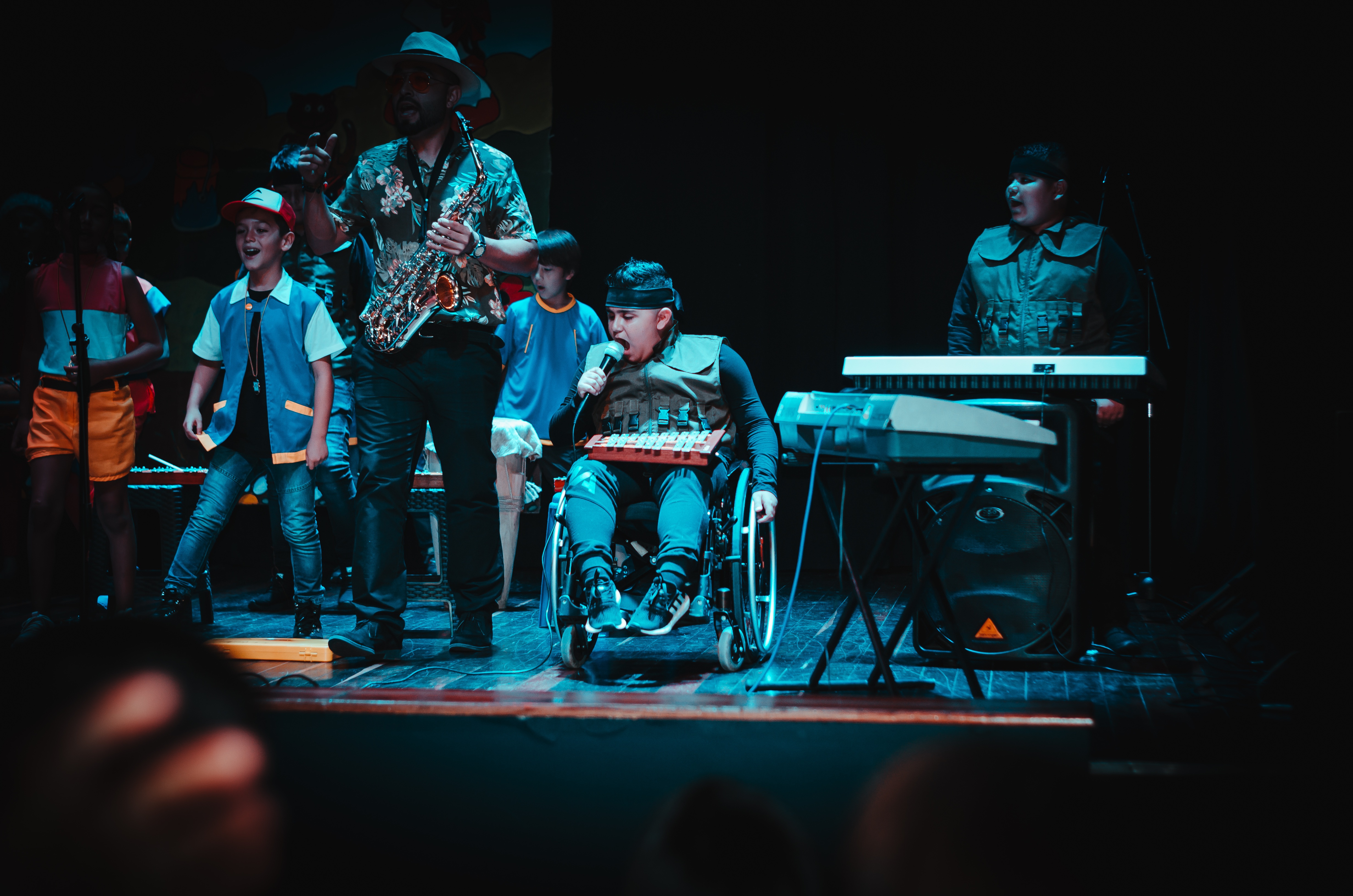
The focus on diversity and inclusion applies to the music industry as it does elsewhere and there will always be a percentage of artists and musicians who are classified as disabled. Organisers may book disabled artists as part of their curation process, but they need to ensure that they provide the necessary support for these artists.
It is the organisers duty to ensure that any disabled artist booked for a festival can perform successfully on equal terms with their peers. Disability can be physical or mental, and conditions can range from bipolar disorders to arthritis or tinnitus, for example. With some popular ageing rock stars now approaching their twilight years, it is common for some of them to be experiencing some form of disability, Joni Mitchell and Phil Collins for example.
Diversity and Inclusion.
Festival organisers are under pressure to ensure that their line-up curation process takes account of diversity and inclusion principles and making sure that they are not doing this simply for the optics. There are genuinely great artists booked as headliners who suffer from a recognised disability who are popular with festival-goers. In addition, the curation process should always consider representation from minority groups too. Festival organisers should be taking into account accessibility requirements and other support for artists and crew, not just festival-goers. Inclusion for performing artists is not simply a compliance issue; it is an indication of a professional forward-thinking event organiser.
Challenges for Artists.
Many large outdoor music festivals are located on remote greenfield sites where organisers must build the supporting infrastructure from scratch. It is common for backstage zones to include dressing rooms, green rooms, catering facilities, and equipment storage. These areas can be very busy with cables and other trip hazards often present which can make access for anyone disabled incredibly difficult. In addition, most stages can only be accessed by artists using steps. This makes the backstage zone usually inaccessible for artists with physical disabilities who need access to stages and technical equipment, for example. Other common factors can include the lack of suitable adapted transport availability and insufficient rehearsal time allocation plus communication barriers for anyone who is hard of hearing.
Planning Accessibility and Artist Riders.
Festival organisers should always plan for accessibility throughout their site, and this must include the zones designated for artists too. The backstage area should provide step-free access to stages and other facilities like toilets and dressing rooms; this may include the addition of ramps and accessible pathways, for example. When artist riders are submitted, organisers should allow for the submission of any accessibility requirements or other notes about an artist's disability that they should be aware of. Once the site build commences, it would be prudent for organisers to check back with artists with specific requirements to ensure the necessary adaptations have been made. When scheduling sound checks and rehearsal times producers should allow additional time for disabled artists. In addition, organisers should have a full understanding of any specific technical requirements related to hearing or communication issues that an artist may need. If organisers are arranging accommodation and transport, the rider should include options for artists who need adapted vehicles or rooms with additional facilities.
Staff Training.
All permanent festival staff and volunteers usually undergo diversity and inclusion training anyway, but they may need additional training related to disabled artists boked and what changes have been implemented during the site build to accommodate specific requirements. For hospitality staff and volunteers working in the backstage zones, a full briefing on artist's specific disability whether it is a physical or a hidden mental condition should be given. Training on how to use specific communication protocols that will help artists feel at ease whilst on site which must be done with respectful and inclusive interactions. A thorough briefing to backstage staff should be given on any special needs of disabled artists should they need to be evacuated in an emergency. Organisers often assign a designated artist liaison coordinator who will have responsibility for all artists with specific briefings on the requirements of disabled artists.
Other Considerations.
The music industry is taking the provision of support for disabled artists and musicians seriously and organisations like the Musicians Union have previously published guides for Disabled Musicians' Rights and Support at Work (October 2023). In the future there could be an accessibility accreditation scheme for live events which would include music festivals, and some organisers are also looking into the current standards for inclusive production design. If music festival organisers continue to broaden their curation process, it demonstrates a commitment to diversity, inclusion, and social responsibility.
For festival organisers planning their next event using a software management platform like Festival Pro gives them all the functionality they need manage every aspect of their event logistics. The guys who are responsible for this software have been in the front line of event management for many years and the features are built from that experience and are performance artists themselves. The Festival Pro platform is easy to use and has comprehensive features with specific modules for managing artists, contractors, venues/stages, vendors, volunteers, sponsors, guestlists, ticketing, site planning, cashless payments and contactless ordering.
Image by imaginacioncreativos via Pixabay
<< Back to articles
Contact us
Get in touch to discuss your requirements.
US: +1 424 485 0220 (USA)
UK: +44 207 060 2666 (United Kingdom)
AU: +61 (2) 8357 0793 (Australia)
NZ: +64 (0)9887 8005 (New Zealand)